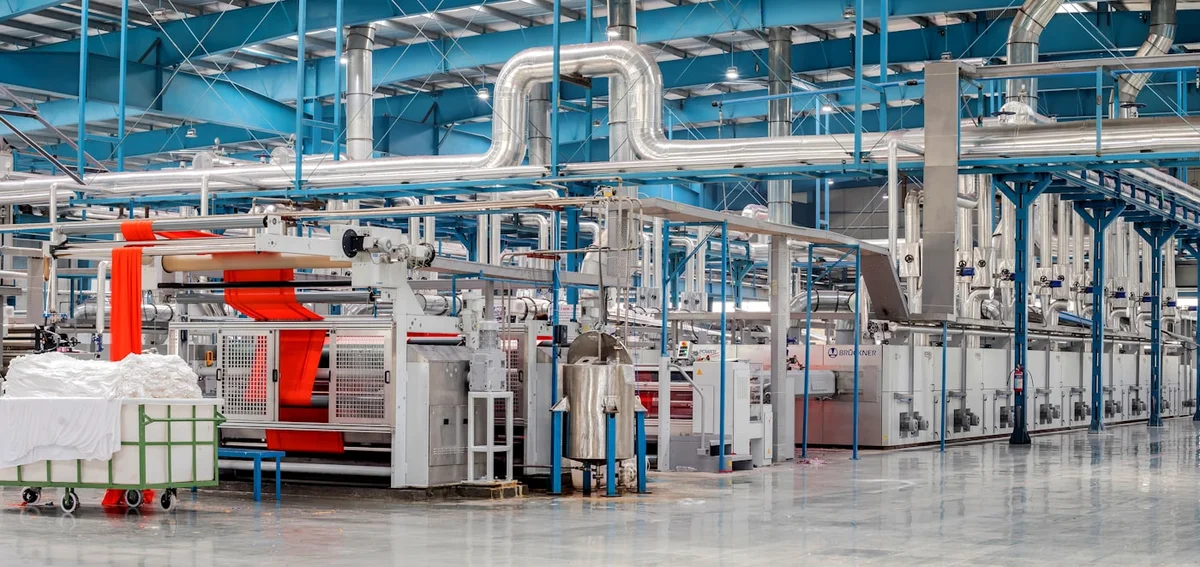
Industry divisionDivision 03
Maintenance, modernisation and project support wherever plants have to keep running — from power stations through paper machines to shipyards.
Range
Not every plant is a chemical plant. Paper machines, glass furnaces, brewery plants and ship sections follow their own laws — and need their own specialists.
Under Industrial Services we group everything that is neither chemicals nor nuclear: maintenance, modernisation and support for industrial processes. What they have in common is not the industry but the situation — there is a deadline, capacity is missing, and the plant does not tolerate improvisation.
This rests on a network of highly qualified specialists and on short decision paths. Here you reach the person who is allowed to say yes. In practice that is the difference between “we will get back to you” and “someone will be there on Monday”.
New power plants, modernisation, plant operators, systems engineers for electrical engineering. References from Lippendorf and Boxberg through to BoA Neurath.
Servicing and maintenance on paper machines and pulp plants — Arneburg, Bamberg, Rosenthal, WEPA Arnsberg, Stora Enso.
High-pressure valve manufacturing, Georgsmarienhütte steelworks, Hamburg aluminium smelter, quality monitoring in production.
F 124 naval vessels, cruise ships in Papenburg and Wismar, mega yachts, the Rostock offshore platform, ship repair in Cuxhaven.
Semiconductor production sites in Dresden, Frankfurt (Oder) and Freiberg as well as the photovoltaic production in Thalheim.
Brewery plants, sugar factories, Cerestar Barby and the waste incineration plants in Magdeburg-Rothensee and Kummerfeld.
65 positions are currently open in the industry division — permanent contracts, pay at the end of the month and training we pay for.
Power, paper, glass, food, mechanical engineering and shipbuilding.
Turnarounds to the beat: 96 hours are 96 hours, not 97.
Maintenance and project support with our own crew.
Coupling guard off, housing open, record the condition.
Worn impeller out, new one in.
Motor and pump in line, offset recorded.
Power, paper, glass, food, mechanical engineering, shipbuilding: the plants differ, the way of working does not.
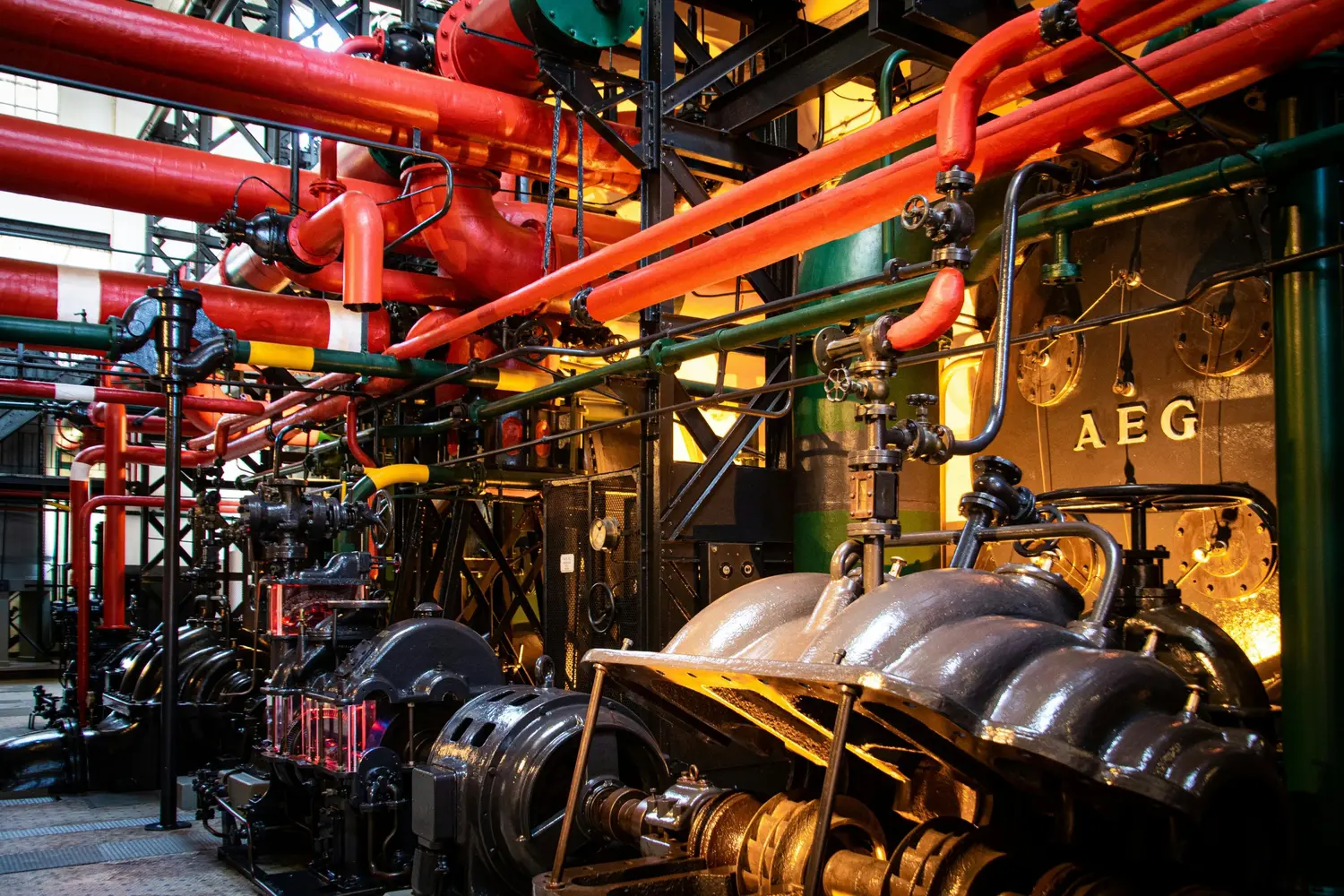
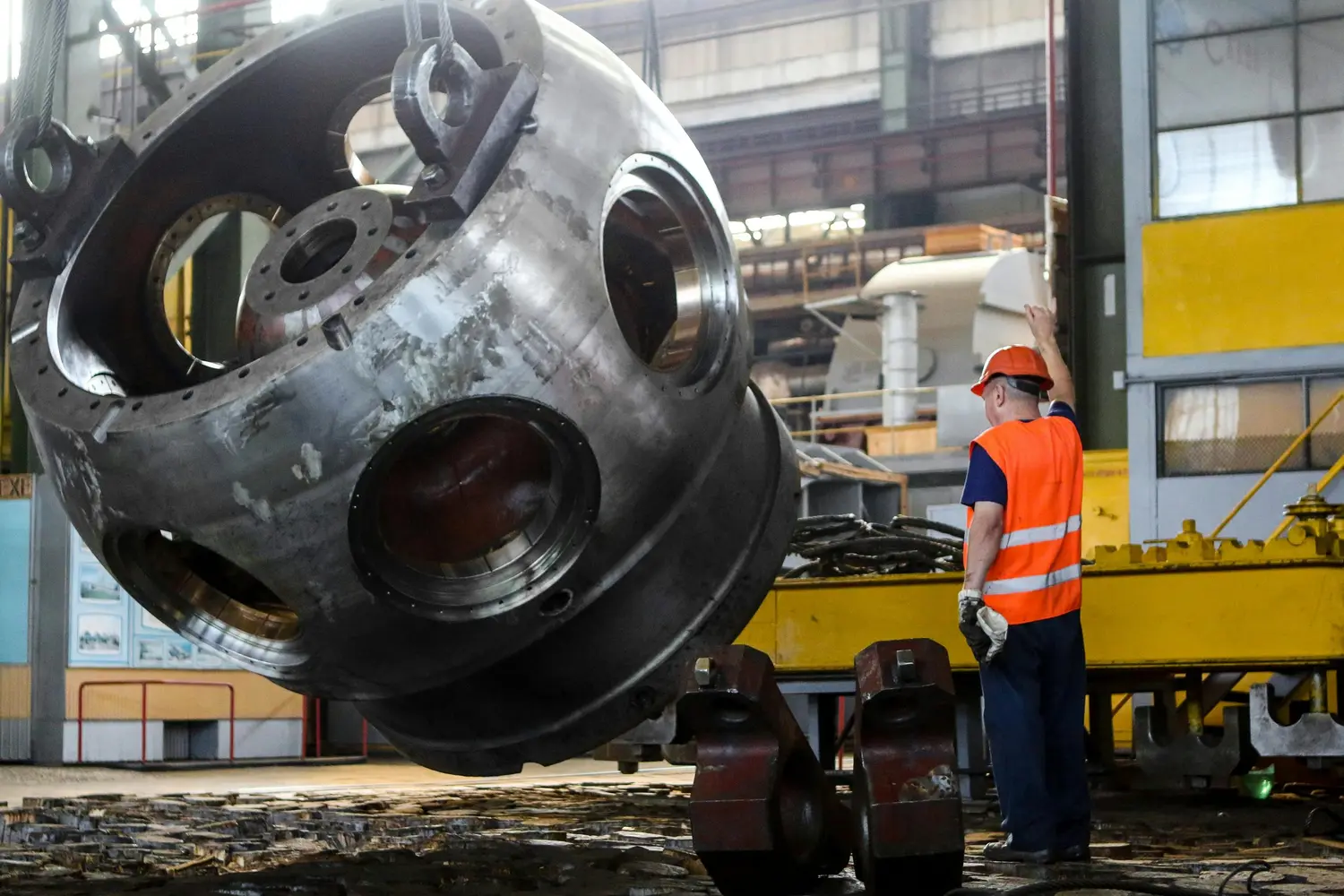
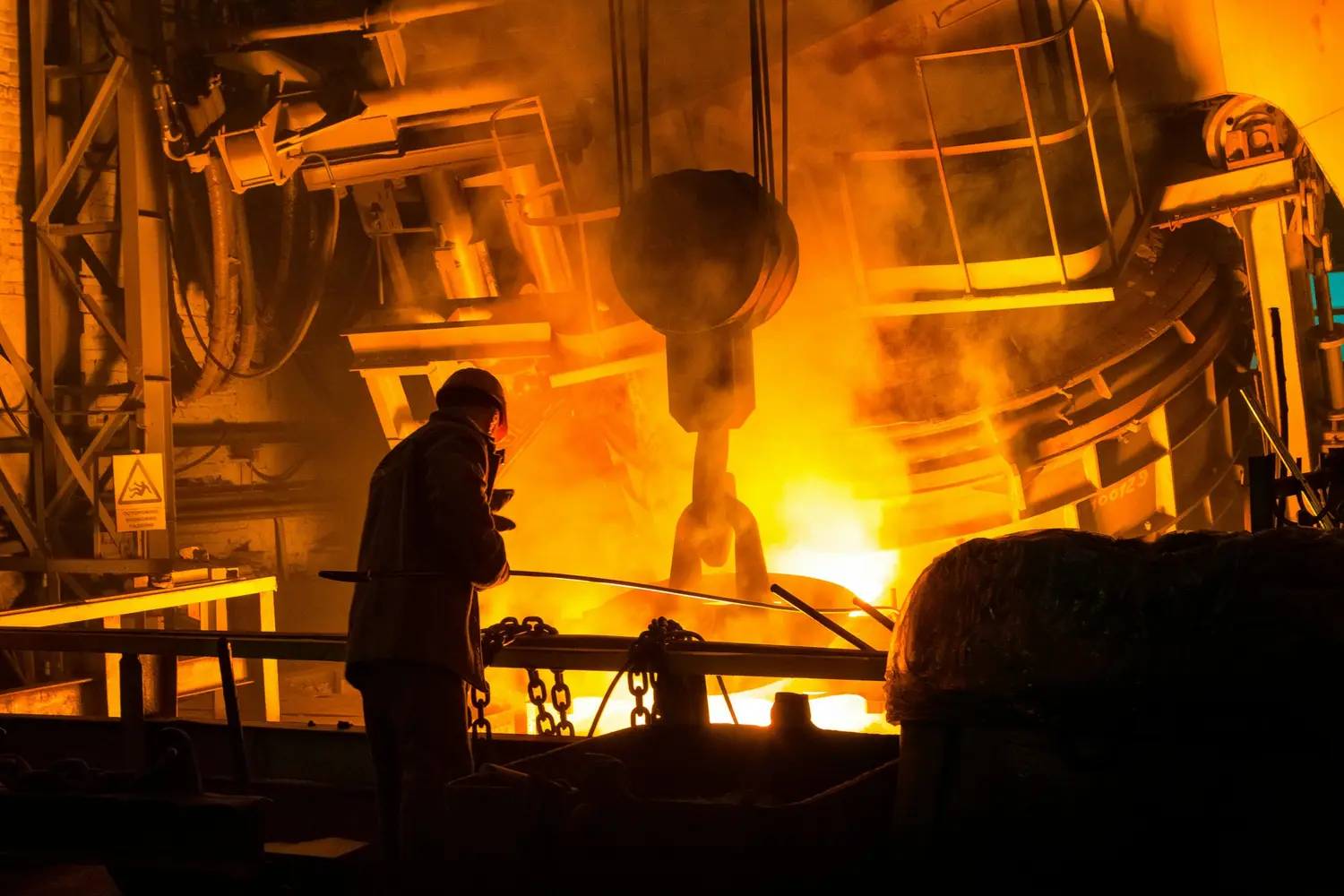
Whether it is a power station, a paper machine or a shipyard — the plants differ, the three jobs do not.
Turbines, pumps, valves: maintenance on plants that go straight back on load after the shutdown.
Lifting points, load paths, approvals — and only then the lift.
Servicing, repair and conversion during operation — with people who still know the plant afterwards.
Maintenance, modernisation and support for industrial processes — right across 13 industries, from glass wool production to an offshore platform.
Specialists and technical know-how for complex projects. We draw on people who have already worked in comparable plants elsewhere.
Close cooperation instead of a chain of command. Things run smoothly because decisions are taken where the conversation happens.
Materials testers, non-destructive testing with ultrasound, X-ray and magnetic particle, mechanical and technological tests plus hardness and roughness measurement.
Which contract type suits your project is something we clarify up front — the overview is on the page For employers, the full project list is under References.
Whether it is a paper machine or a turbine hall: the route to the assignment is the same.
Plant, fault pattern or project goal, time window and the question of whether capacity or a result is needed.
We draw on specialists who know comparable plants — the learning curve on site drops noticeably.
Instruction, PPE, works access and, where needed, special tests such as DGUV Regulation 3.
The assignment runs with a fixed contact on our side; adjustments during the project are normal, not the exception.
The same applies here: no list prices, but factors you can follow.
Concrete rather than roughly: After the first conversation you get a quote for your case. What you do not get is a price list that is right for nobody.
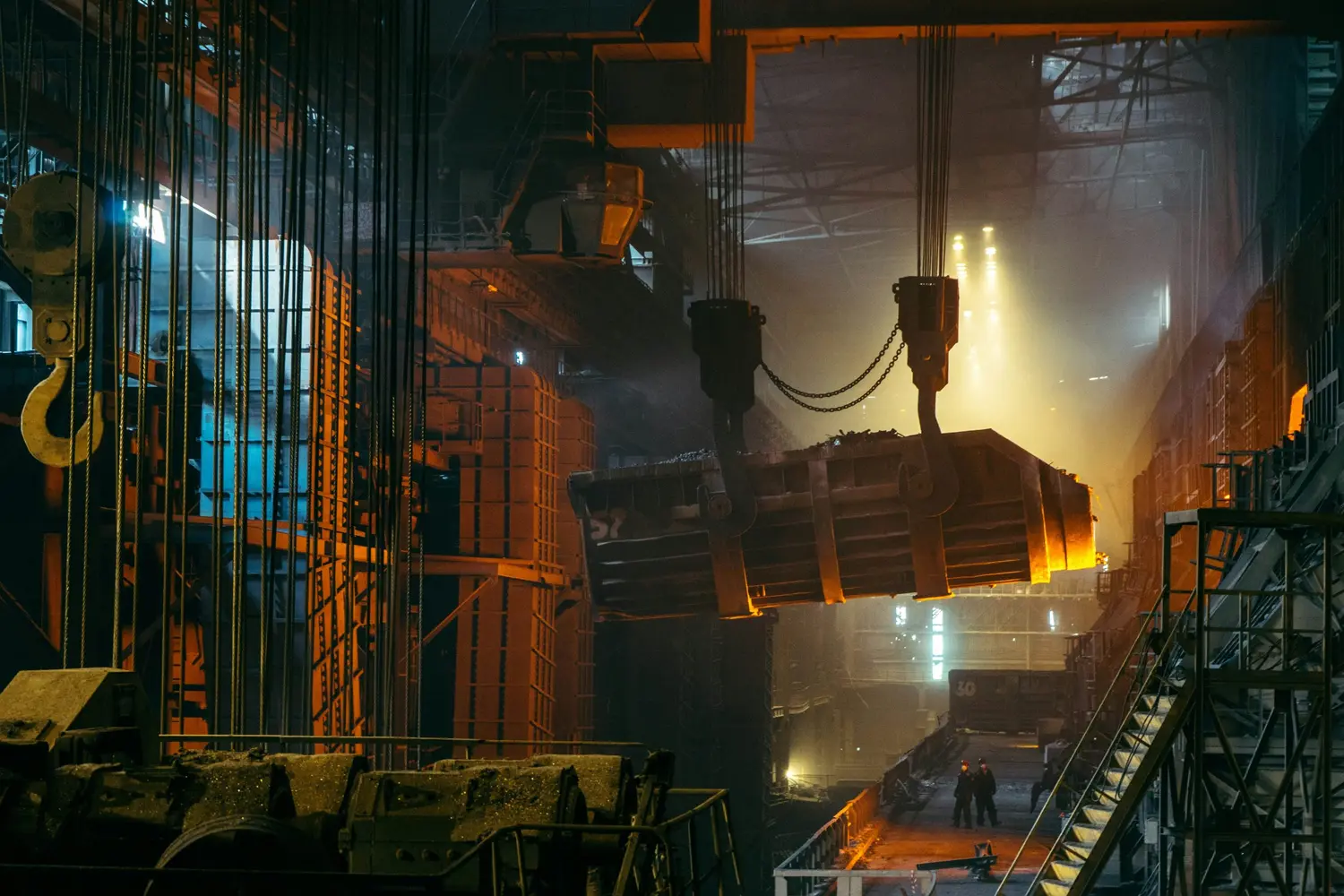
A bearing failure, a breakdown on the night shift, a date that must not slip: industrial companies need people when the plant stands still — not three weeks later.
Because we work in several industries at once, the right specialist is rarely far away. That is the real advantage of a network that knows more than one industry.
Thirteen: chemicals, petrochemicals, oil and gas, nuclear, power plant construction and energy technology, paper, pharmaceuticals, mechanical engineering, glass, food, waste incineration, cleanroom technology and shipbuilding. The full project list is under References.
As a rule yes, provided no special access procedures stand in the way. For general industrial assignments a few working days of lead time is usually enough. What matters is how quickly your plant can schedule the access instruction.
Yes: electronics technicians for industrial engineering, plant electricians, I&C electronics technicians, specialists for pipe trace heating and testers under DGUV Regulation 3. In lightning protection we supply fitters and specialist planners to DIN EN 62305.
Yes. Alongside the technical trades we fill plant-related logistics roles — professional drivers, shunting locomotive drivers, forklift drivers and works drivers. During shutdowns that is often the underrated bottleneck.
Yes, on a smaller scale: administration and assistance as well as IT roles from service desk to platform engineering. The focus, however, remains clearly technical.
Describe the task briefly. We will tell you which specialists fit and how quickly they are available.