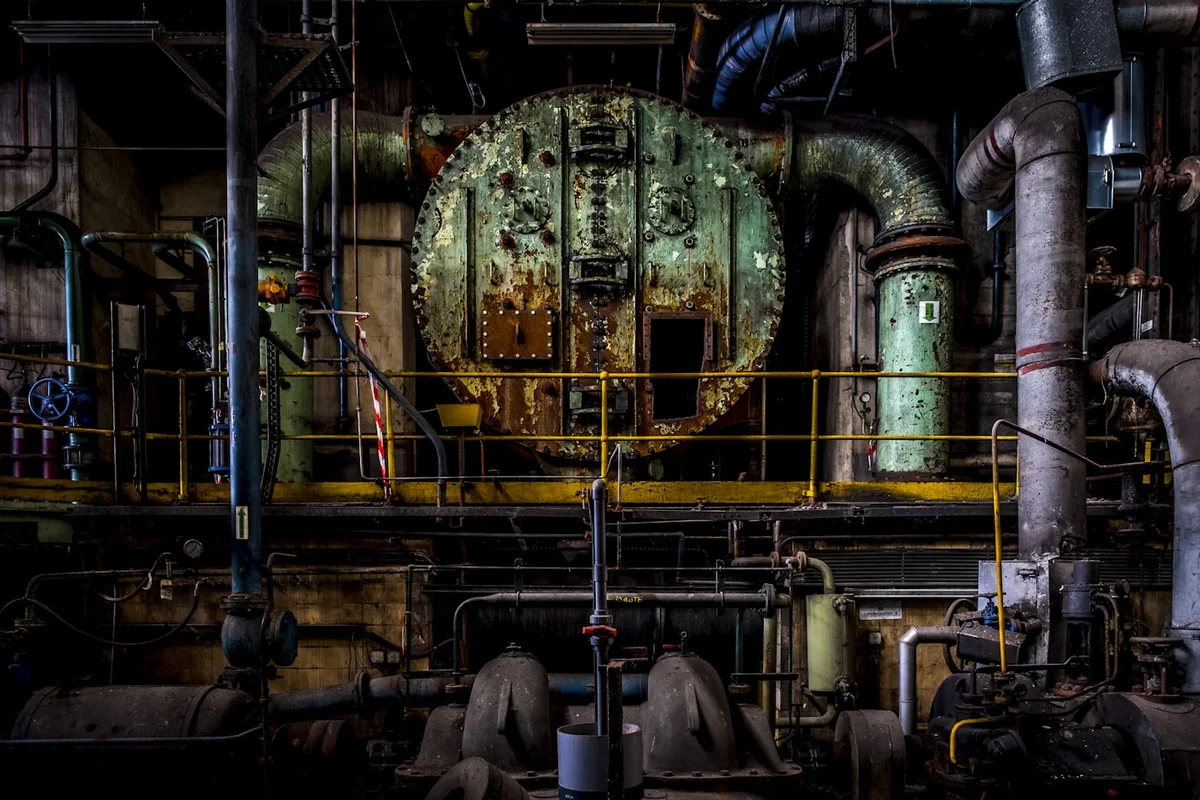
Chemicals divisionDivision 01
Maintenance, optimisation and modernisation of production plants — with specialists who know pipe classes, release processes and the rhythm of a turnaround.
Assignment profile
A chemical plant earns nothing while it stands still. That is exactly why maintenance is not a side show but a deadline project with a hard edge.
COPLA Burg GmbH supports operators and plant builders with the maintenance, optimisation and modernisation of chemical production plants — across the whole life cycle, from planning through execution to improvement in ongoing operation. What we supply is not all-round staff, but people who know the difference between pipe class C 40 and C 16 and why a weld seam in the process line is tested differently from one in a secondary circuit.
There are two typical situations. First, the planned shutdown: the turnaround window is fixed, staffing needs rise to a multiple for four to six weeks and then have to disappear again. Second, ongoing operation: a specialist drops out, a project drags on, a modernisation needs extra engineering capacity. We handle both the same way — only the lead times differ.
47 positions are currently open in the chemicals division — permanent contracts, pay at the end of the month and training we pay for.
Pipework and apparatus engineering — from the pipe length to the pressure test.
Turnaround and shutdown: the crew is at the gate before the plant is cold.
Every seam gets its proof, every wall thickness its measuring point.
The shell is opened and the tube bundle is drawn out of the housing.
224 tubes are cleared with high pressure and inspected one by one.
Bundle back in, new gasket, record and release.
Chemical plants look calm from the outside. The work is in the preparation: pipe class, release, seam, proof.
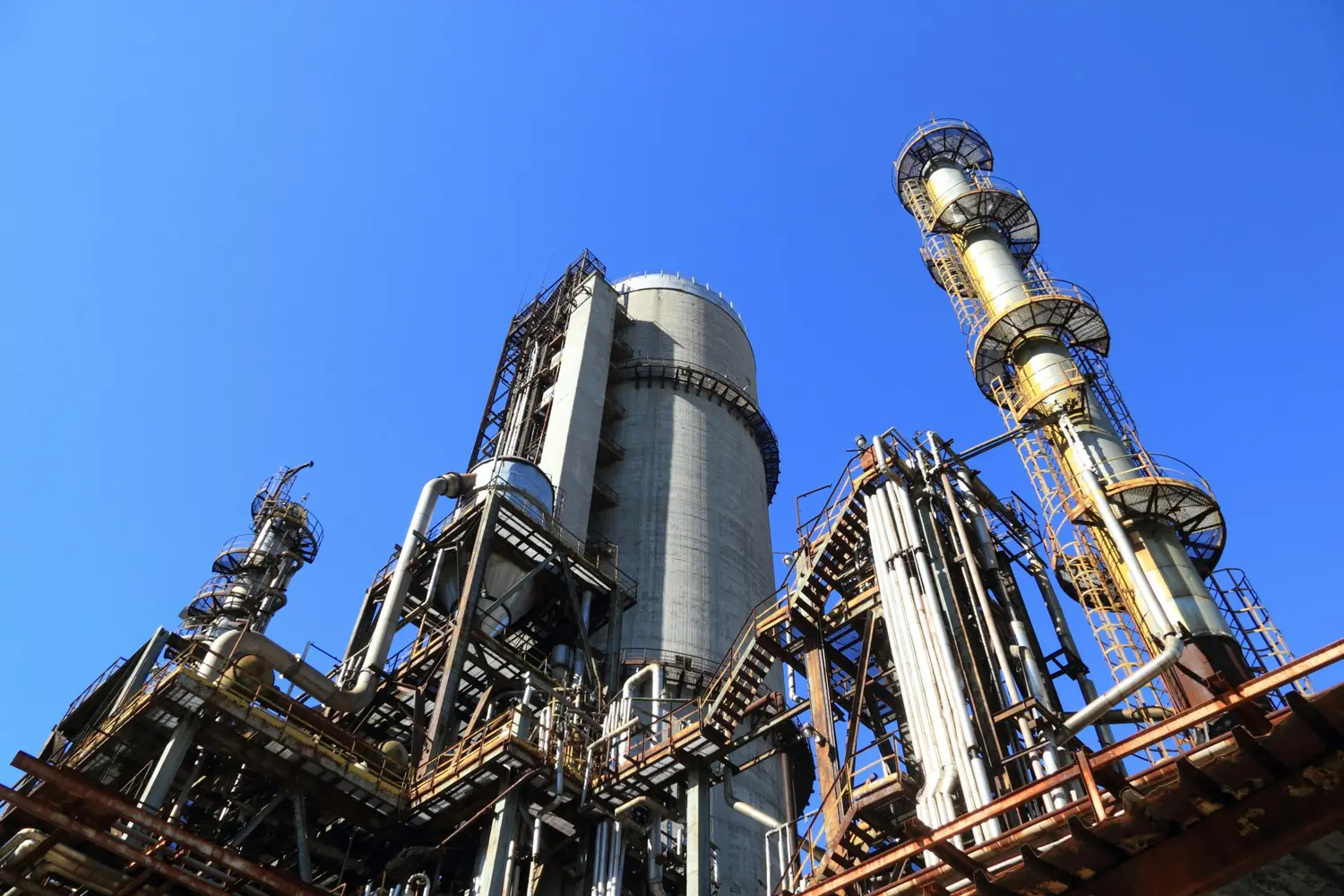
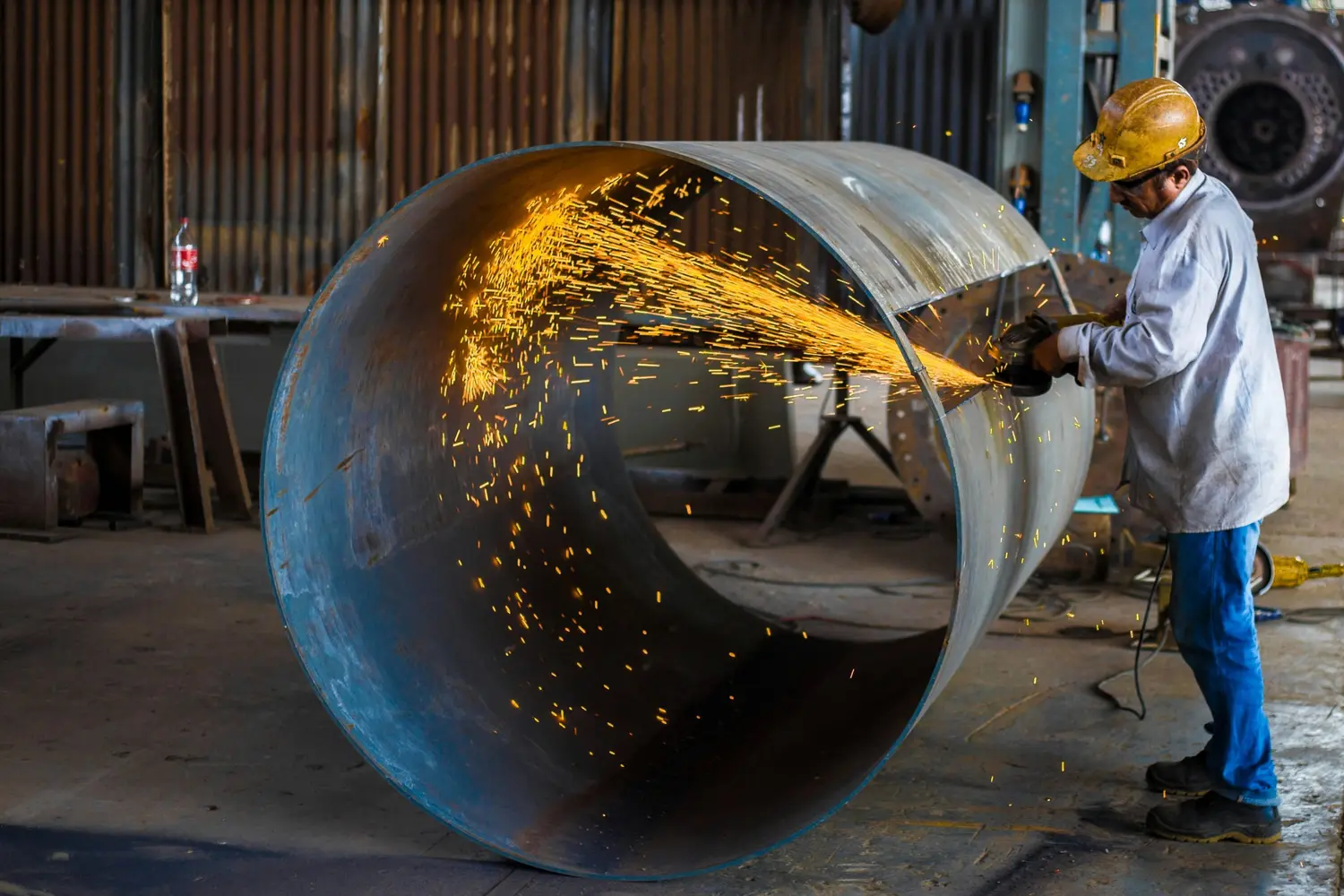

Three jobs make up most of our work in chemicals — and all three hang on the same proof.
Prefabrication, assembly, flange connections. Pipe class and test scope are fixed before the first cut.
Heat exchangers, vessels, columns: pull the bundle, clean it, test it, put it back with a new gasket.
Valves, pumps, compressors — during shutdowns, in shift operation, with a record for every component.
Chlorosilane Bitterfeld, methyl cellulose Leuna and Walsrode, Wacker Burghausen, INEOS Wilhelmshaven, bioethanol plant Schwedt — 14 documented projects in chemicals alone.
Our work is concentrated around Dormagen, Leverkusen, Krefeld and Cologne. From Duisburg and Dormagen our people are at the works gate in under an hour.
Our safety management is SCP certified — the variant for staffing providers, focused on occupational safety, health and environmental protection.
Around 60 specialists, one management: whoever calls gets a firm answer the same working day — not a ticket in a corporate structure.
How to plan a shutdown without it running away from you is set out in our guide Planning a plant shutdown If you would rather award a defined work package than hire capacity, the differences are explained under Service and work contracts.
Four steps we work through the same way on every chemical assignment — even when only a single specialist is wanted.
Trade, number, period, shift model and plant. We ask specifically about the access requirements of your site.
You receive profiles with qualifications, test certificates and assignment history — not anonymised bundles.
Instructions, occupational health checks (including G26.3), PPE and site-specific access training all happen before day one.
You direct the work on site, we handle the contract, the documentation and the point of contact. Adjusting during a shutdown is normal.
We do not publish hourly rates — for your case they would be either too high or unrealistically low. These six factors set them:
A welder with a valid procedure qualification to DIN EN ISO 9606 is costed differently from a labourer.
Site-specific instruction, health checks and access approvals all take lead time.
Night, Saturday, Sunday and public holiday work and regular rotating shifts all feed straight through.
A four-week shutdown is costed differently from a permanent position over twelve months.
Travel and accommodation weigh in on assignments away from the local area.
Temporary staffing, placement and work contracts follow fundamentally different costing logic.
How we do it: After the first conversation you get a concrete quote for your assignment — no price range plucked from the air and no calculator pretending that skilled staff are a catalogue item.
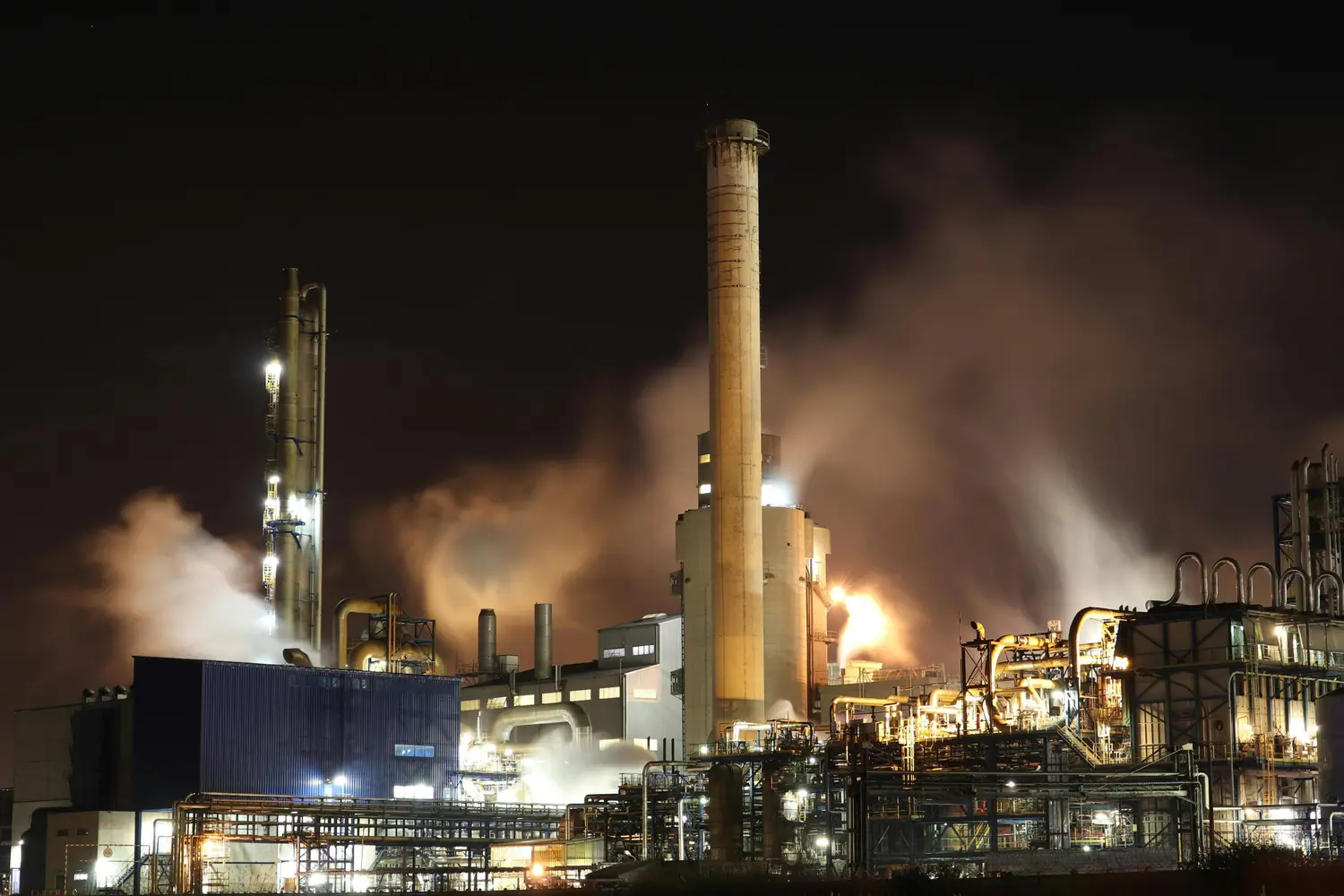
Turnaround windows are planned to the day and run right through in shifts. Staffing a team for the early shift only just moves the problem into the night.
So we staff the shift model the operator runs — with the same proof in every shift: safety instruction, works pass, procedure qualification, occupational health checks.
Yes, usually as a mixed team of pipe fitters, welders, insulators and a technical supervisor. What matters is the lead time: for a team in double figures we need the enquiry ideally eight to twelve weeks ahead, because works instruction and health checks take up appointments.
The focus is TIG and MAG on steel and stainless steel — the processes our job profiles require throughout. We provide evidence of valid procedure qualifications before the assignment; which one is required is set by your welding supervisor.
Yes. Our specialists work mainly along the Rhine corridor, in particular Dormagen, Leverkusen, Krefeld and Cologne. We know the access procedures there, and we have our own site in Dormagen.
Yes, up to engineering level. That includes maintenance planning, assembly supervision and construction supervision. References such as the maintenance planning and construction supervision in Brunsbüttel show that this is not a sideline.
Tell us early — usually within the first few days. We then swap them out without it turning into a contract discussion. That is exactly what our short chain of command is for.
Tell us the plant, the trade and the period. We will tell you the same working day what we can supply — and what we cannot.